

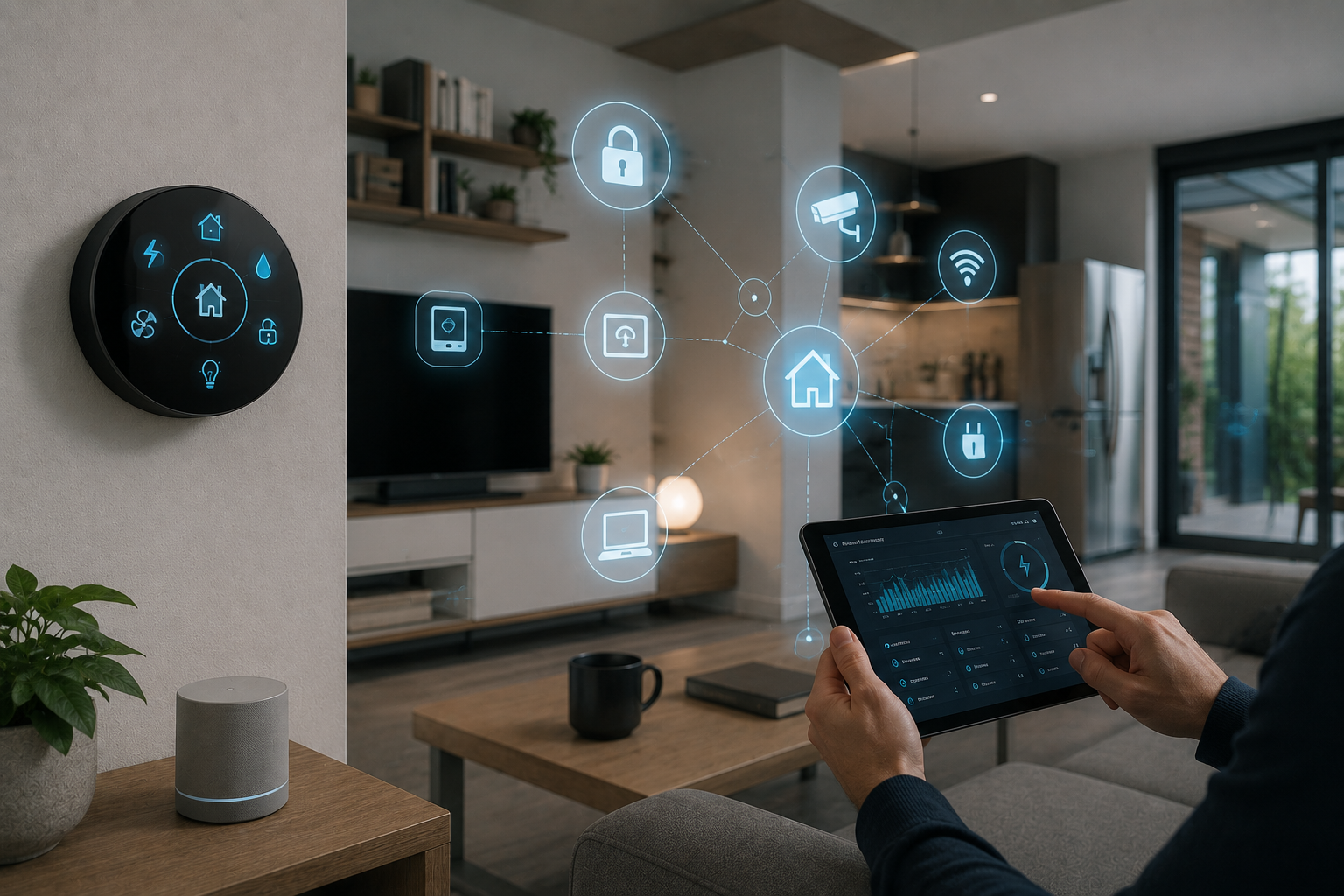
A home energy management system works by understanding the home. That can include solar production, battery state, EV charging, appliance patterns, and grid imports. Useful data makes automation better, but it also raises fair privacy questions.
Energy Data Can Be Detailed
Whole-home monitoring can reveal when the house is occupied, when large appliances run, and when an EV charges. Circuit-level systems can be even more specific. Homeowners do not need to panic, but they should understand what is collected.
Ask Who Can See the Data
The proposal should explain whether data is stored locally, in the cloud, or both. It should also explain whether installers, manufacturers, utilities, or third-party program operators can access it. Privacy policies should be readable enough for a normal homeowner.
Automation Needs Permissions
Smart home energy system may use data to preserve reserve, schedule charging, or respond to utility signals. That is useful only if permissions are clear. If a utility demand-response or VPP program is involved, homeowners should know when the system can be dispatched and how to opt out.
Security Updates Matter
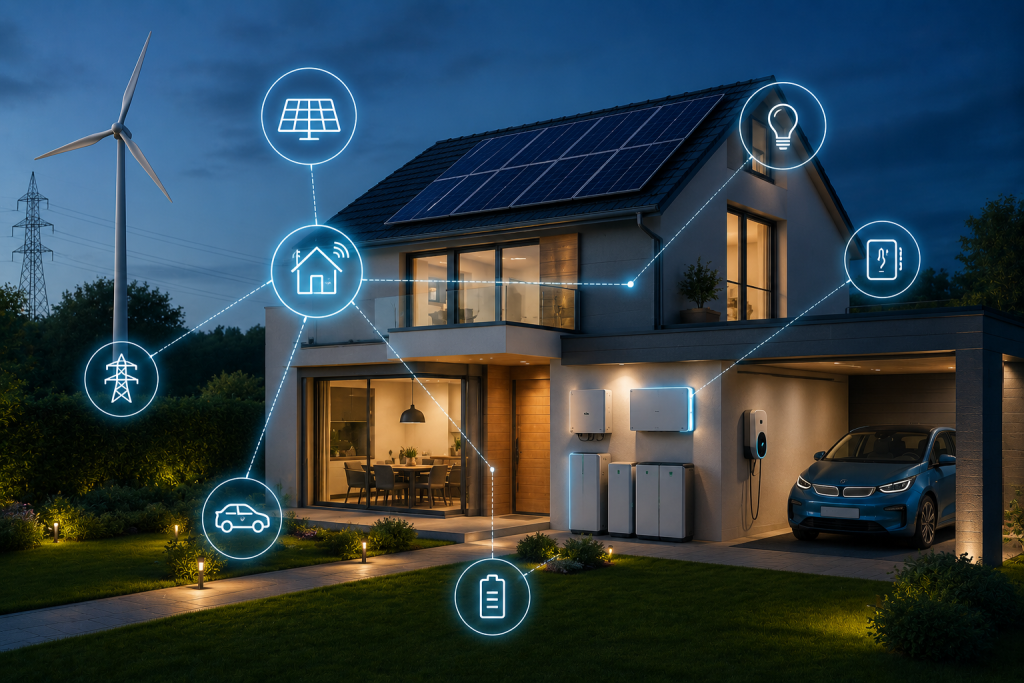
A connected energy device should receive software and firmware support. The homeowner should know how updates happen, whether alerts are shown, and who provides support if communication fails. Energy infrastructure deserves more care than a casual smart plug.
Visibility Builds Trust
The app should show what the system is doing and why. If the battery discharges, the EV slows, or a load is delayed, the homeowner should not have to guess. Sigenergy smart home platform is relevant for comparing how energy control and user visibility are presented.
A strong proposal should also include a simple operating story. What happens on a normal weekday, during a peak-rate evening, when solar production is high, and when the grid goes down? These examples are easier to understand than a feature list and reveal whether the system is truly coordinated.
The assumptions should be written down: connected devices, controllable loads, battery reserve settings, utility rate logic, solar behavior, app permissions, and any incentive or demand-response rules. According to NREL and DOE materials on residential energy management, configuration and control are central to real-world value, not optional extras.
Homeowners should also think about future loads. A second EV, a heat pump, an induction range, or a larger battery can change the energy profile quickly. A HEMS that cannot adapt may feel outdated just as the home becomes more electric.
Finally, usability matters. The best energy management system should make choices visible and adjustable without turning the homeowner into a full-time operator. Clear modes, plain alerts, and understandable energy flows help build trust.
The installer should explain the difference between monitoring and control. Monitoring tells the homeowner what happened; control changes what happens next. A system that only reports energy use may still be useful, but it should not be sold as full automation if it cannot schedule loads, protect battery reserve, or respond to rate signals.
It is also worth asking how the system behaves when internet service is down. Some features may depend on cloud access, while basic backup or local controls may continue. That distinction matters during storms, when the same outage that affects the grid can also disrupt broadband service.
A HEMS should be judged against the household’s actual routines. A remote worker with daytime solar access, a commuter who charges an EV at night, and a family with medical equipment all need different priorities. The strongest systems make those priorities explicit instead of forcing every home into the same default mode.
Cost discussions should include avoided upgrades as well as direct savings. In some homes, better load coordination may reduce simultaneous peaks and make electrification easier. In others, the main value may be backup confidence, clearer energy data, or making solar and battery equipment easier to use.
Support is another practical checkpoint. The homeowner should know who services the system, who updates the software, and who handles a mismatch between the battery, charger, inverter, or utility program. Energy management touches several parts of the home, so clear support responsibility matters.
Good energy management should be smart, but it should also be transparent about data and control.
